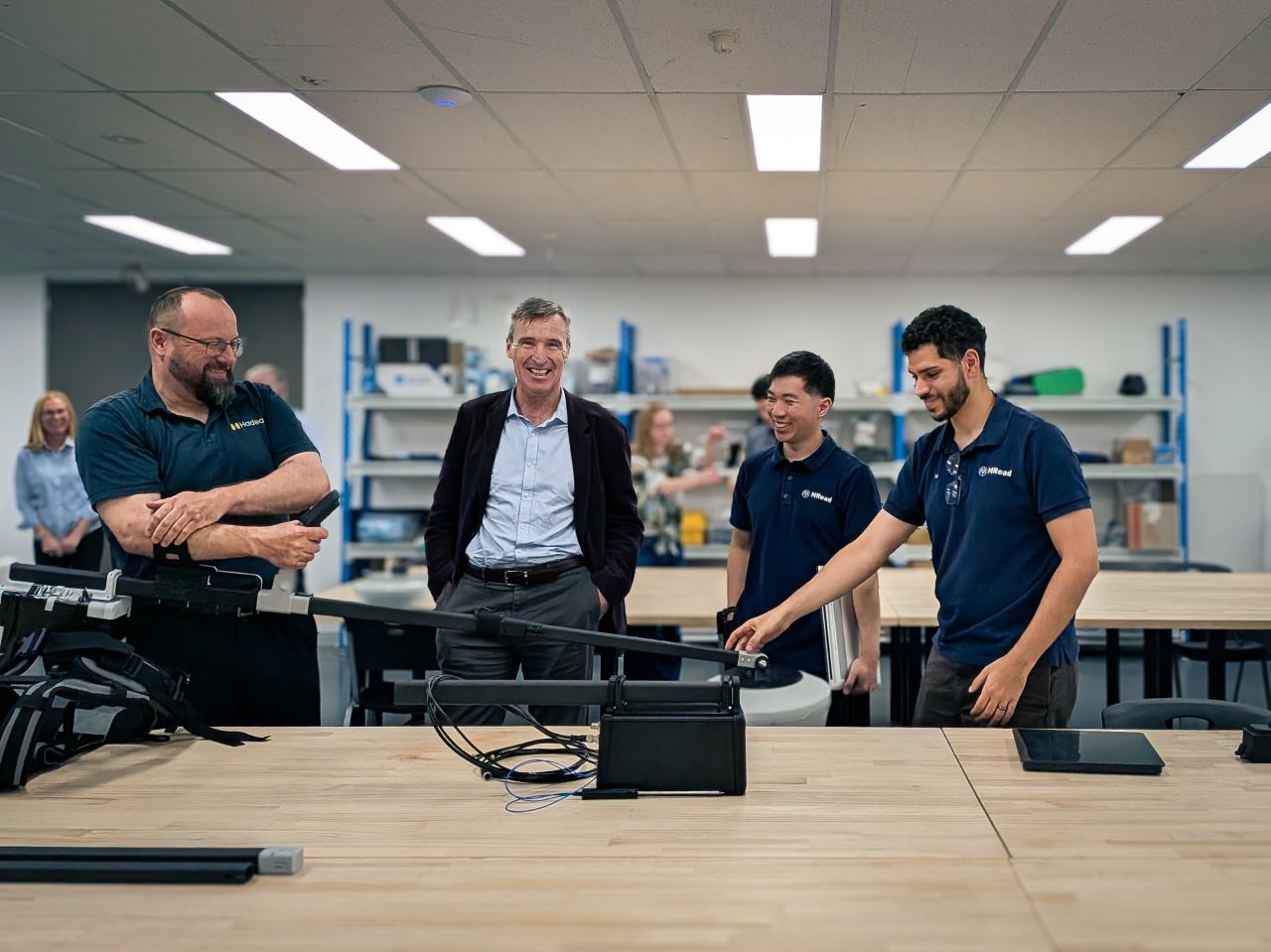
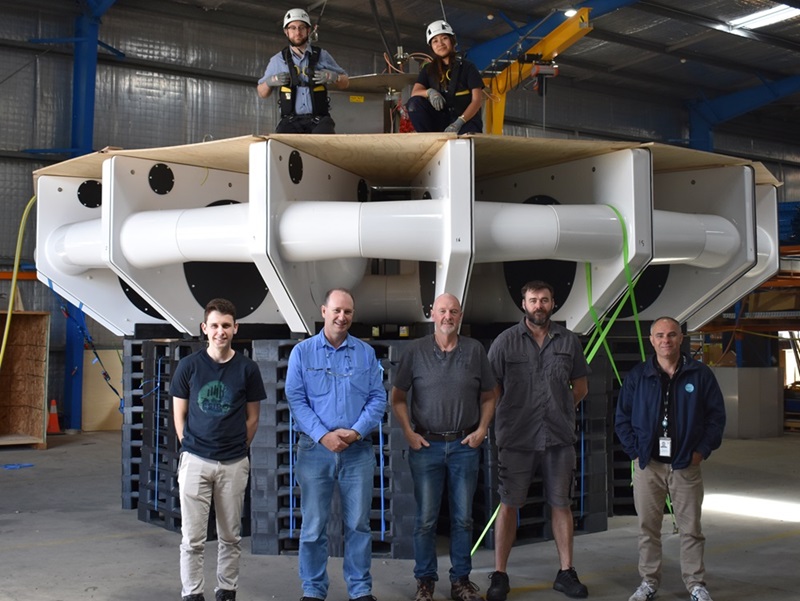
In a landmark cover feature, Forbes Australia has recognised MagnaTerra Technologies as one of the country’s most important emerging deep-tech companies — telling the story of how a single breakthrough in magnetic resonance sensing is simultaneously reshaping the economics of global mining and offering a credible answer to one of humanity’s most enduring humanitarian crises. The Forbes story traces the origins of MagnaTerra back to two CSIRO spinouts with seemingly unrelated missions. NextOre was built to bring magnetic resonance (MR) sensing technology to the mining industry, giving miners the ability to scan ore in real time and reject barren waste rock before it ever entered the processing plant. MRead took the same core science in an entirely different direction: developing the world’s first handheld detector capable of identifying the molecular signature of landmine explosives — TNT and RDX — without touching the ground.The question Forbes explores is both simple and striking: what happens when the same sensor technology that makes copper mining more efficient also has the power to make landmine clearance faster, safer and more accurate? The answer, the article argues, is MagnaTerra Technologies: A company formed through the merger of NextOre and MRead in 2025, backed by an $11 million capital raise and valued at approximately $150 million.
The science behind the platform
At the heart of MagnaTerra’s technology is magnetic resonance sensing, a non-invasive technique, related in principle to the MRI technology used in hospitals, that detects the unique molecular signatures of specific materials. Where a conventional metal detector can only register the presence of metal, MagnaTerra’s sensors can distinguish between the molecular fingerprint of copper ore and worthless rock, or between the chemical composition of RDX and inert soil. The detection happens in real time, with no contact required and no radiation involved.
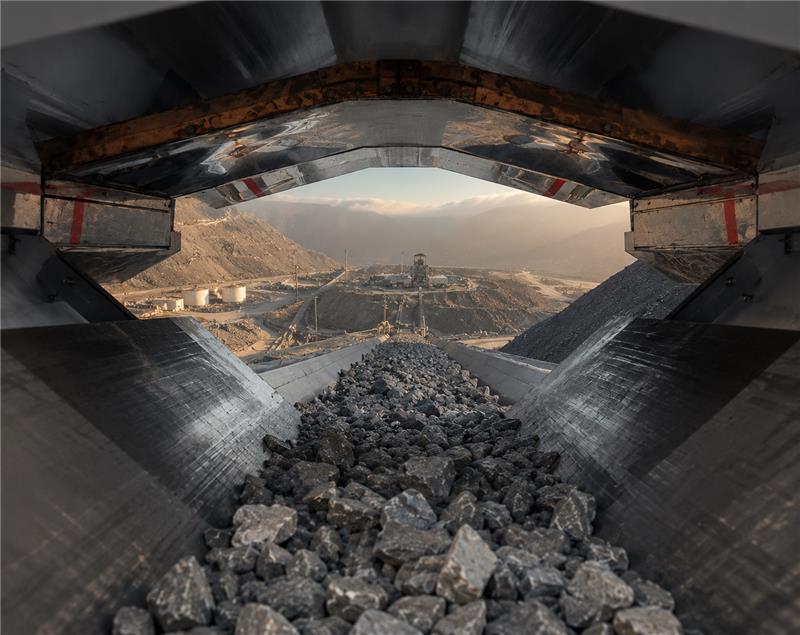
This precision changes the economics of both industries the company serves. In mining, NextOre’s bulk ore sorting systems — already operational in Chile, Zambia and the Philippines with clients including Lundin Mining, First Quantum and Newcrest — allow miners to reject low-grade material near the source, cutting the energy, water and chemical inputs that make copper production one of the world’s most resource-intensive industries. By enabling 100% ore scanning in real time, the technology makes mines more productive and more sustainable simultaneously.
“By enabling 100% ore scanning in real time, our technology makes mines more productive and sustainable.”
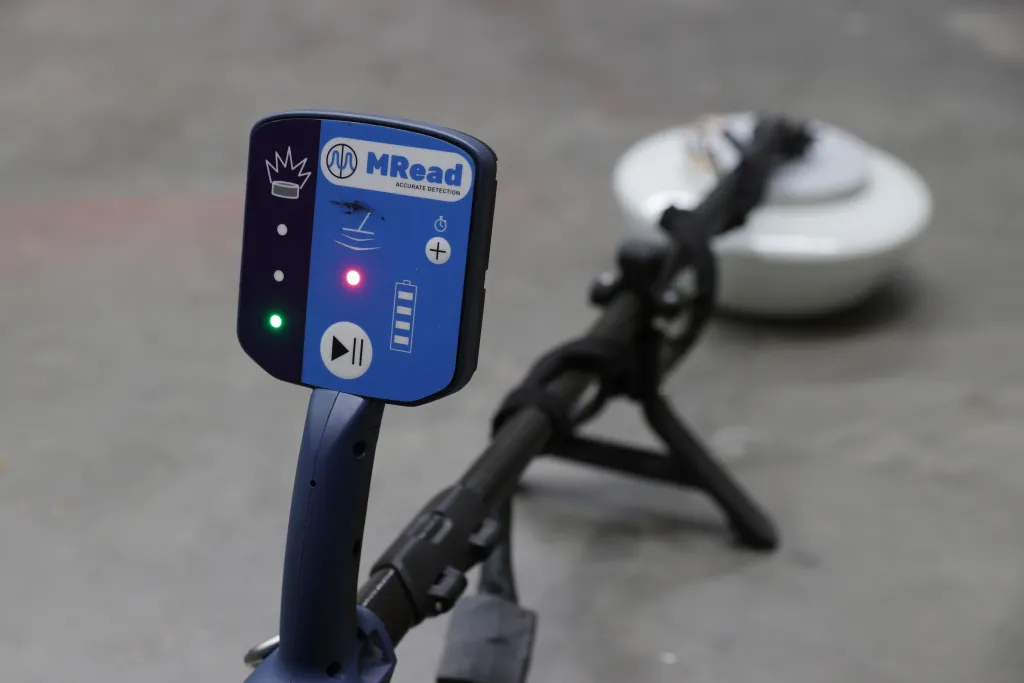
In demining, MRead’s MineReader handheld device — developed in collaboration with CSIRO and trialled in Angola with The HALO Trust — applies the same molecular detection logic to a deadlier problem. Conventional metal detectors generate enormous numbers of false positives in the field, slowing clearance teams and increasing their exposure to danger. By detecting RDX directly, MRead’s technology can cut clearance time by up to 30% and drastically reduce the false positive rate that currently hampers operations in post-conflict zones across Africa, Asia and Eastern Europe.
“Landmines are one of the great unresolved global challenges. Our technology promises to save lives and restore land to communities faster and more safely.”
The merger: putting the scientists in one room
The Forbes feature gives significant space to the story of how the merger came about — and why it was, in the words of MagnaTerra Chair Rob Adamson, an obvious decision once the pieces were laid out. Both companies were commercialising technology developed from the same CSIRO research base. Both were backed by RFC Ambrian. Both were building sensors that used the same magnetic resonance physics. Operating in parallel, they were dividing scientific talent, duplicating infrastructure and missing the commercial leverage that a unified platform could provide.
“They are the only groups in the world doing this successfully. It seemed bonkers to carry on doing it in parallel. It just made sense to put all the scientists in a room together.”
Rob Adamson, Chair, MagnaTerra Technologies
The merger brought together the MagnaTerra leadership team that Forbes profiles: John Shanahan, a decorated military commander with deep expertise in explosive ordnance disposal who leads both MagnaTerra and MRead; Chris Beal, who leads NextOre; and Rob Adamson, who chairs both the company and RFC Ambrian. The board also includes MRead co-founder and former CSIRO Research Director Nick Cutmore — the scientist whose decades of work on magnetic resonance sensing made both companies possible.
A sovereign technology platform with global reach
One thread the Forbes story returns to repeatedly is what it means for Australia to own a technology platform of this kind. MagnaTerra operates across four distinct and growing global markets: critical minerals, humanitarian demining, defence and border security. Its intellectual property was developed domestically, over more than two decades, by Australia’s national science agency. Its shareholders include CSIRO, Worley, Codan and Gebr. Pfeiffer SE alongside institutional backers RFC Ambrian and Shaw & Partners.
In a moment when the strategic value of sovereign deep-tech capability is drawing increasing attention from governments, investors and industry globally, MagnaTerra’s position is unusual: it has real deployed technology, real revenue, and customers in three continents — not a pipeline of potential.
The Forbes feature captures something that can be easy to miss in the day-to-day language of technology commercialisation: that the same scientific insight underpins both the efficiency of a copper mine in Chile and the safety of a deminer working in post-conflict Angola. MagnaTerra is the company that holds both of those applications together — and that unusual breadth is exactly what makes it worth paying attention to.
Bangbusters: Turning mining tech into a weapon against landmines